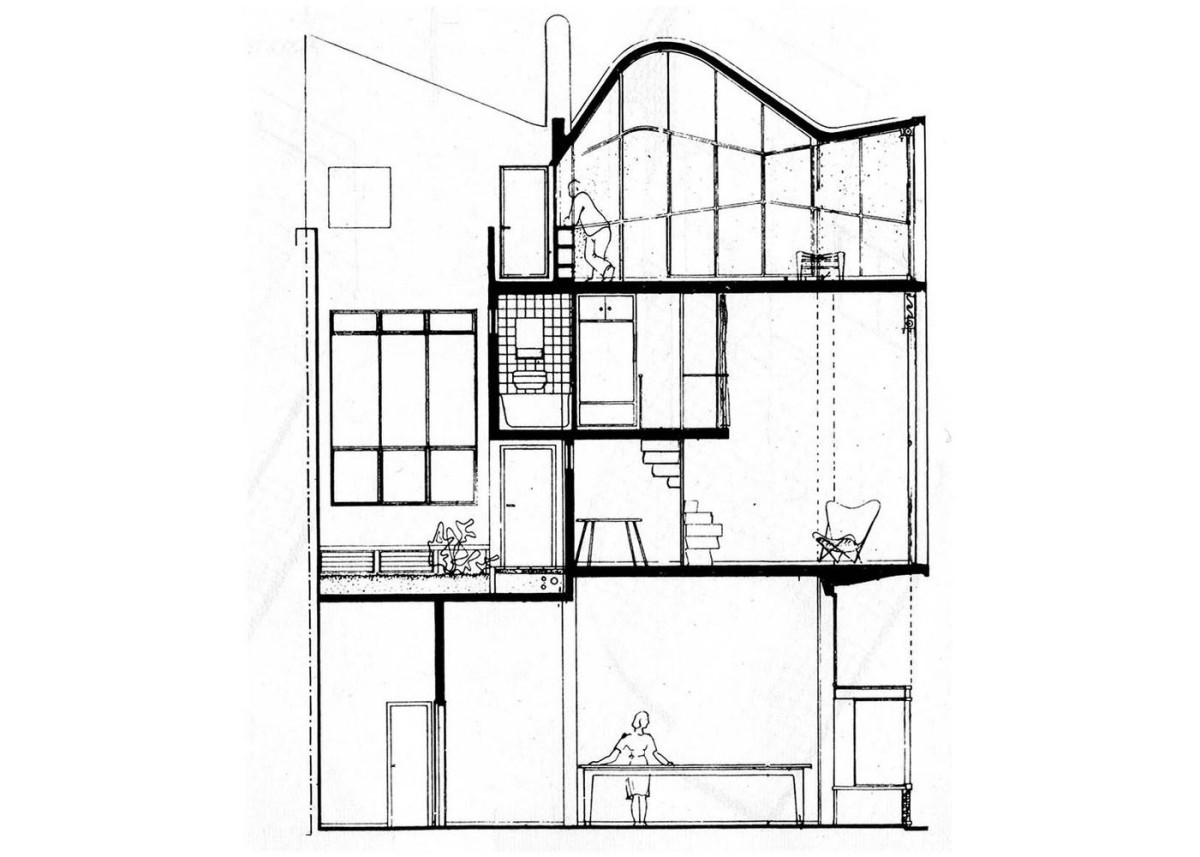
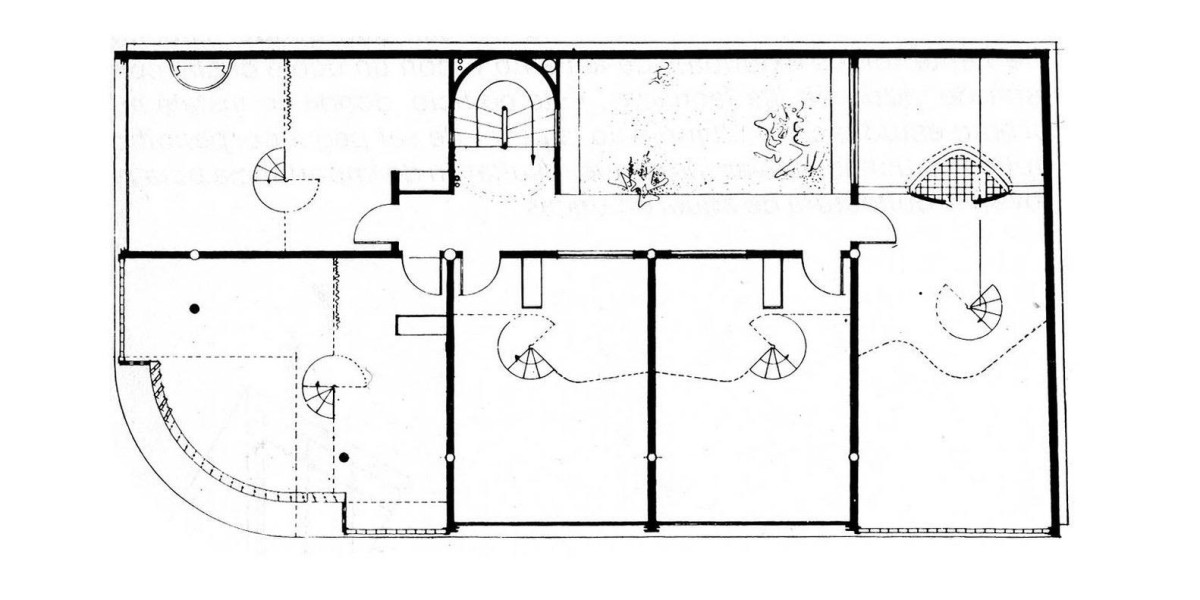
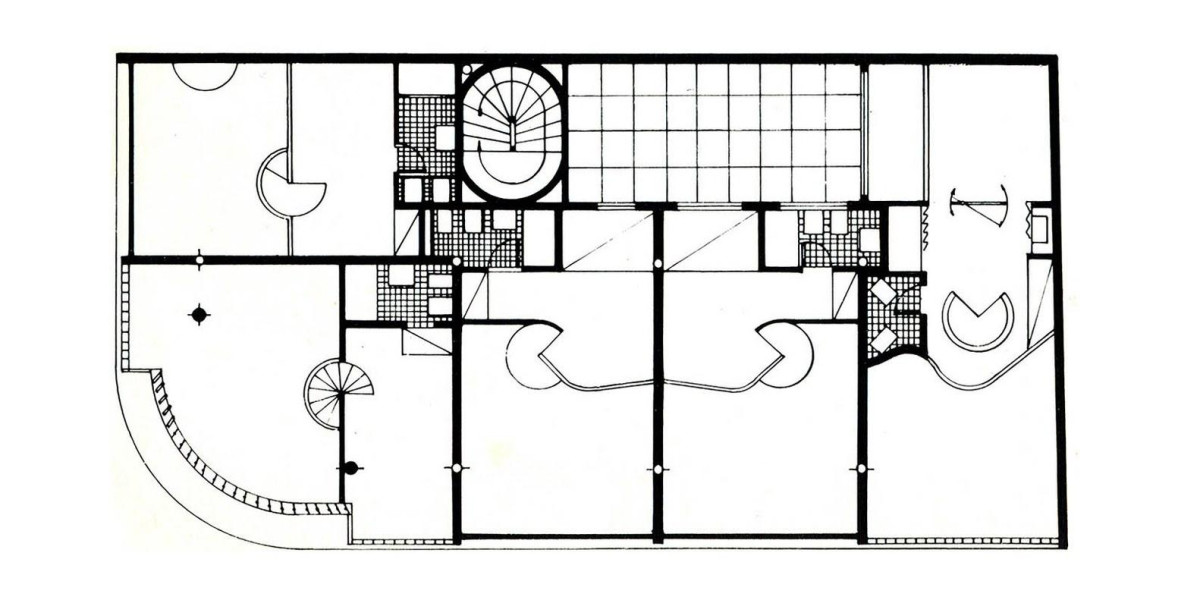
Centro Sur’s program consists of two-month residencies for artists, theorists, curators, architects and designers. Residents live together on site, where each is provided with a private studio-apartment alongside shared common areas. A strong sense of community and collective living is one of the program’s core principles.
Throughout the residency, participants are in direct and continuous contact with the local community and the art ecosystem through a series of studio visits, open studios, workshops, and public presentations either on site or at another local art institution.
Each program cohort is accompanied by mentors who provide ongoing guidance on the residents’ research and lead thematic study modules.
Training plays a central role in the residency program. Beyond providing support for artistic production, the project aims to offer a learning experience focused on gaining a deep understanding of local culture and art. Our intention is for residents to complete the program with a comprehensive understanding of the context in which they have worked, incorporating conceptual and historical tools that enrich their practice.
At the end of the residency, each resident is awarded a grant. These grants may take different forms such as the acquisition of an artwork produced during the residency by a national collection, the production of an exhibition, participation in international events, or the development of an editorial publication. Other outcomes may also be developed in collaboration with local institutions, depending on the nature and direction of each resident’s project.
Casa de Estudios Para Artistas
The residents will live in the historic Casa de Estudios Para Artistas, a building constructed in 1938 by Antonio Bonet, Horacio Vera Barros, and Abel López Chaz, located in the corner of Suipacha and Paraguay.
The building is a manifesto, an aleph. It was conceived as a space for artistic production, cohabitation, and cultural exchange among its occupants. It is an exemplar of the principles of the Grupo Austral; a collective of architects united around the concepts established by Le Corbusier.
Activating a residency in this space represents a significant opportunity to revalue its cultural heritage, returning it to the use for which it was designed: a functional recovery that implies not only an architectural enhancement, but a symbolic reactivation of the building.